II ROMAN ROADS SEMINAR
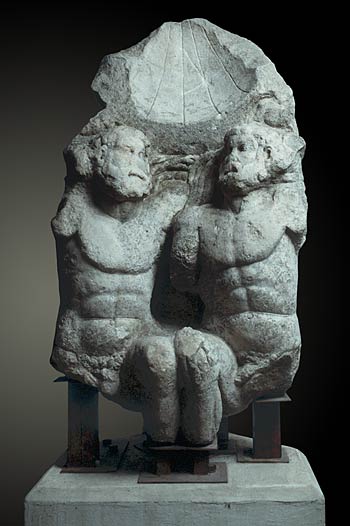
Roman sculpture was more than art; it functioned as a political and social tool. Unlike Greek idealism, it emphasized realism, using portraiture and reliefs to preserve memory and glorify power. Found in both public and private spaces, it served as propaganda and religious expression, shaping and preserving Rome’s identity and history. Link to the full […]
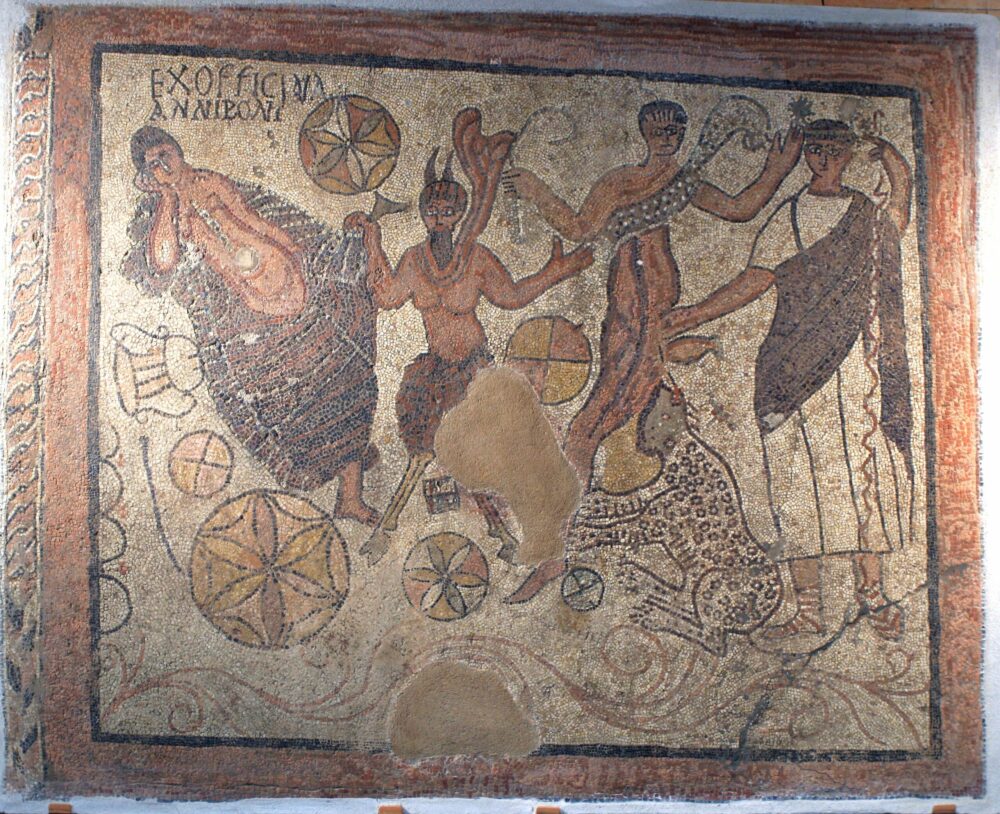
Roman mosaics are decorative artworks composed of tesserae — small, colored cubes of stone, glass, or ceramic — set into wet mortar to form images, patterns, and scenes. These mosaics adorned floors, walls, and vaults in private homes as well as public buildings, often depicting historical events, mythological narratives, or everyday life. Link to the […]
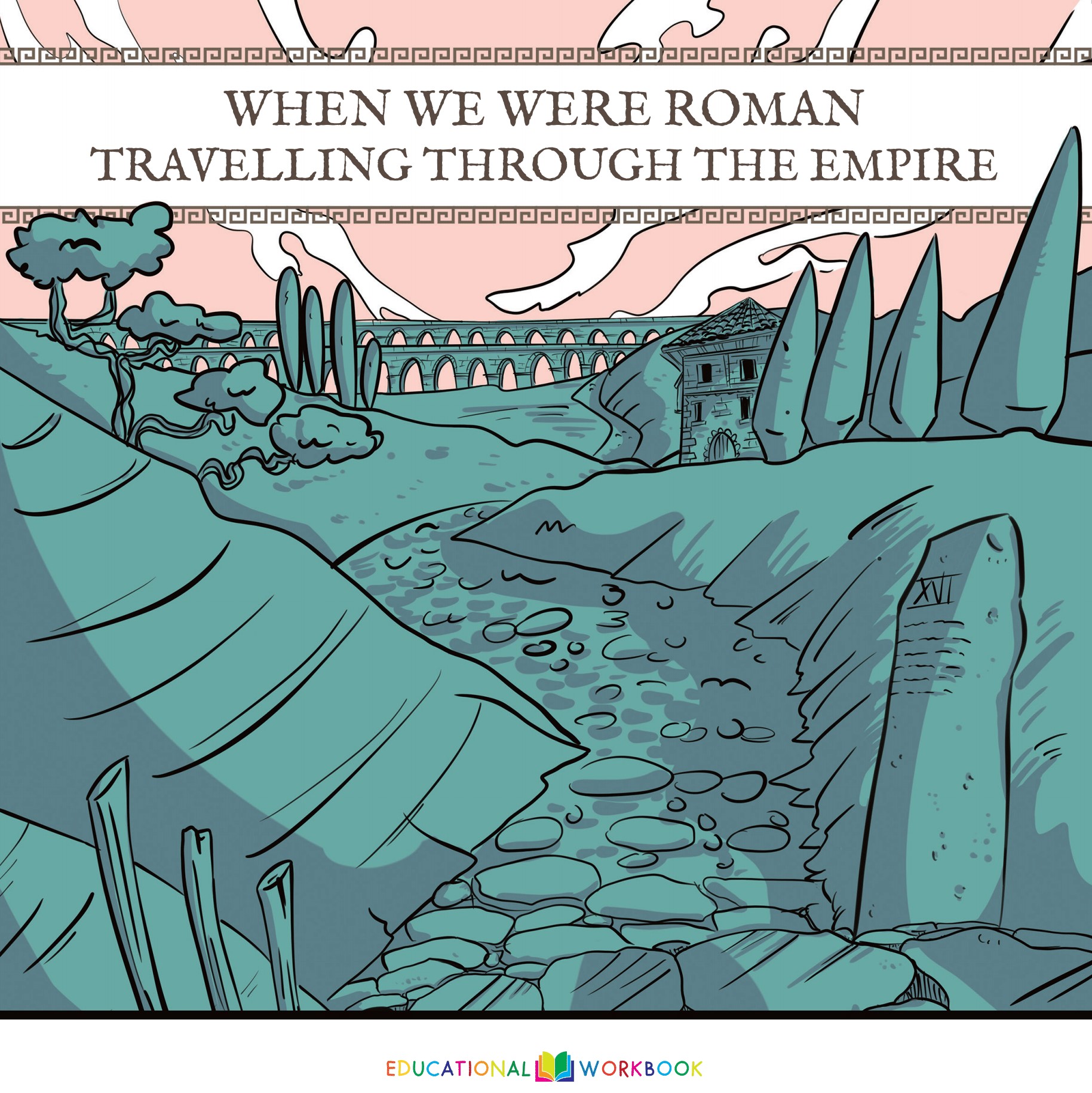
The Technical Management Office of Iter Romanum (the Roman Roads Heritage Cooperation Network) has published this educational workbook so that young primary school children can learn about the legacy of Rome connected with Roman roads. With this workbook, children will discover a little more about the way of life in that historical period and understand, […]
The term “itinerarium” (plural: itineraria) comes from Latin and, in a historical context, refers to a route map, particularly used in Roman times. It was essentially a document that listed places (towns, stations, other stops, and landmarks) along Roman roads, often with distances marked between them. It served as a practical travel guide for officials, […]
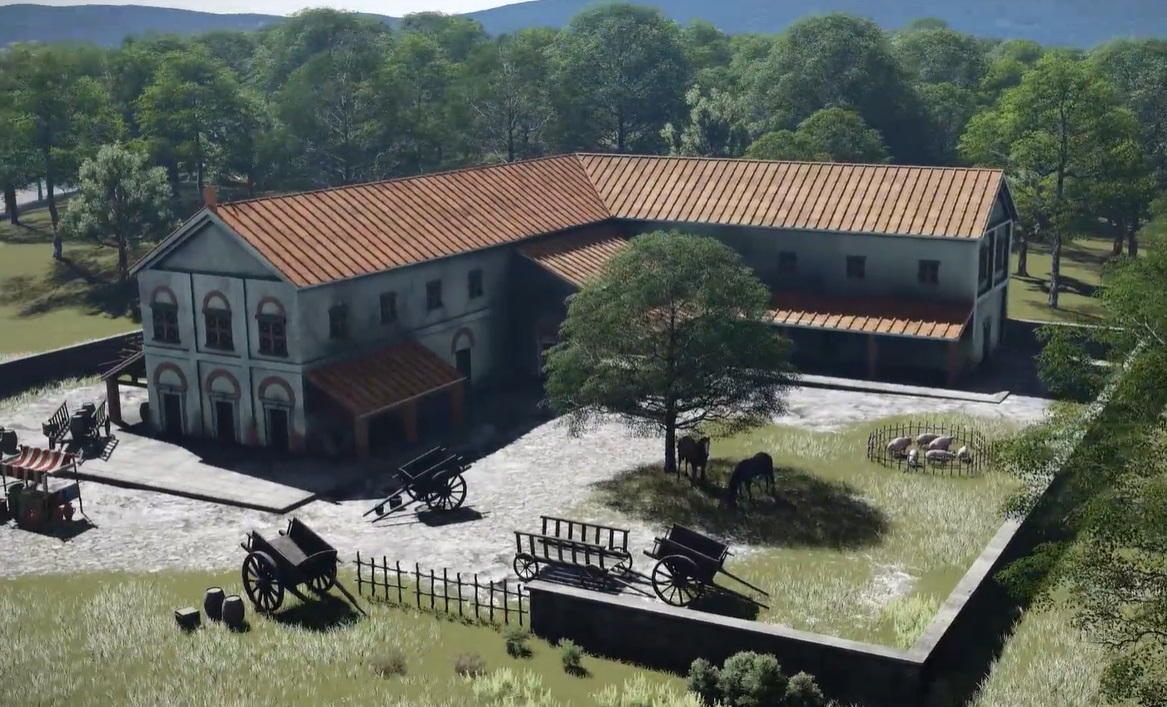
If you were planning to travel in the ancient Roman times, you would realize that the locations of mansiones and mutationes were very important data and that you should be familiar with them. Link to the full article.
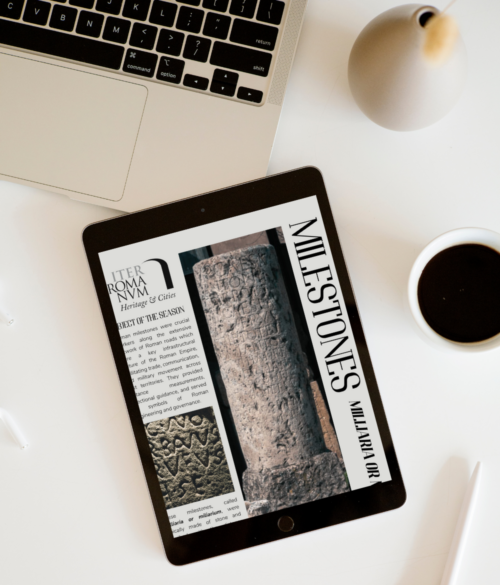
Roman milestones were crucial markers along the extensive network of Roman roads which were a key infrastructural feature of the Roman Empire, facilitating trade, communication, and military movement across vast territories. They provided distance measurements, directional guidance, and served as symbols of Roman engineering and governance. Read the full article here.
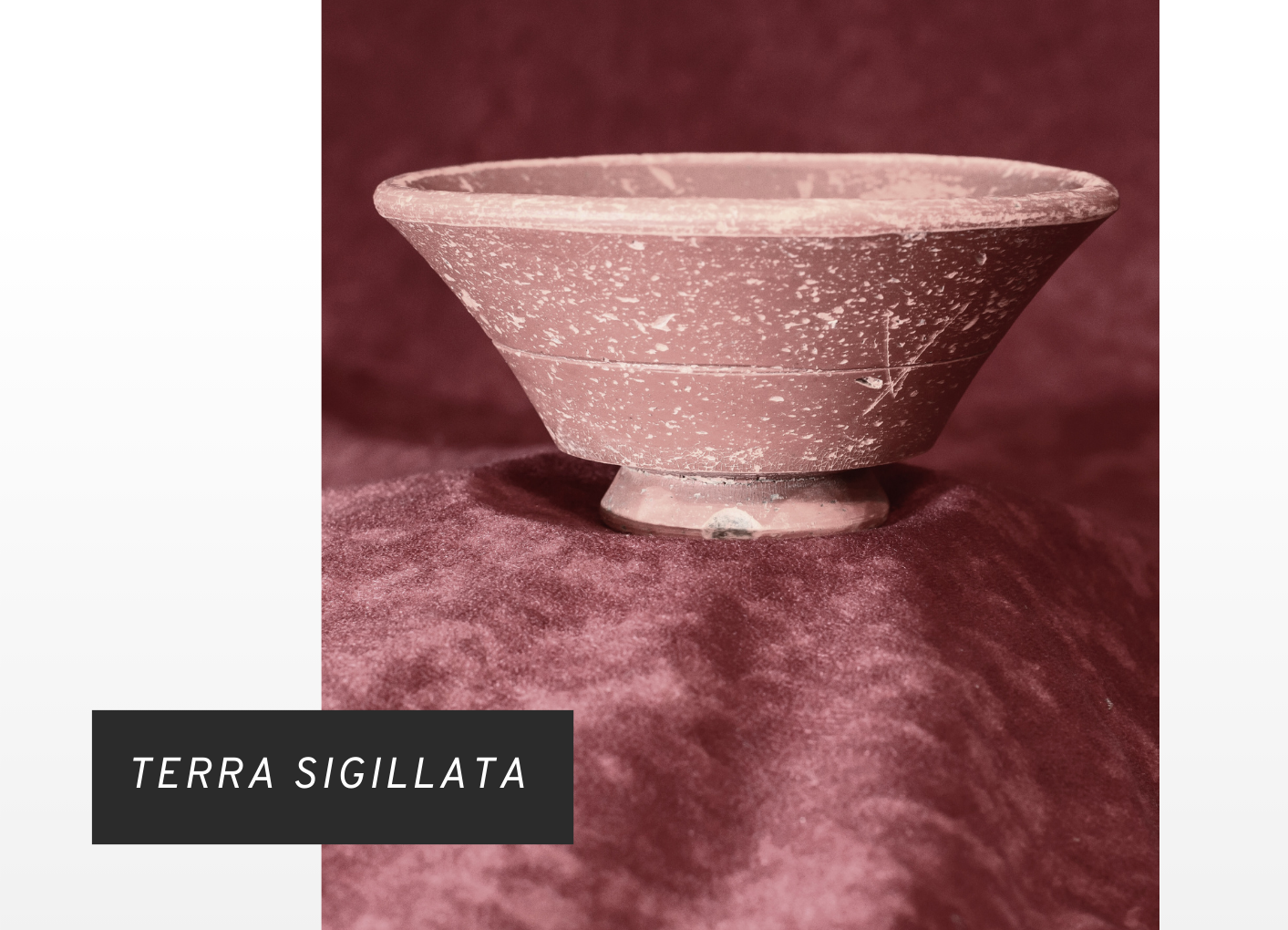
Terra sigillata, also known as Samian ware, or red slip ware, is a type of Roman pottery that was the most popular from the 1 st century BC to the 3 rd century AD. It is characterized by its red or orange color, fine smooth texture, and often decorated with relief patterns and applied ornaments. […]
Archaeological excavations reveal that the Roman diet included a variety of animals as part of their cuisine, and that animal meat was more prevalent than historical sources tell us. Here are some animals that have been confirmed through archaeological research to have been commonly consumed by the ancient Romans: pork, chicken, beef, goat, fish, seafood, […]
Escape Room Roman Roads: The Collector of the Past. You’re in Clara’s hideout, the notorious robber of archaeological objects has concentrated on the routes of Iter Romanum, along the different Roman roads in Europe, to carry out her robberies. Investigate her den and get back the stolen archaeological treasures. Follow the link to get in!: https://iter-romanum.eu/tours/collectorofthepast/ […]
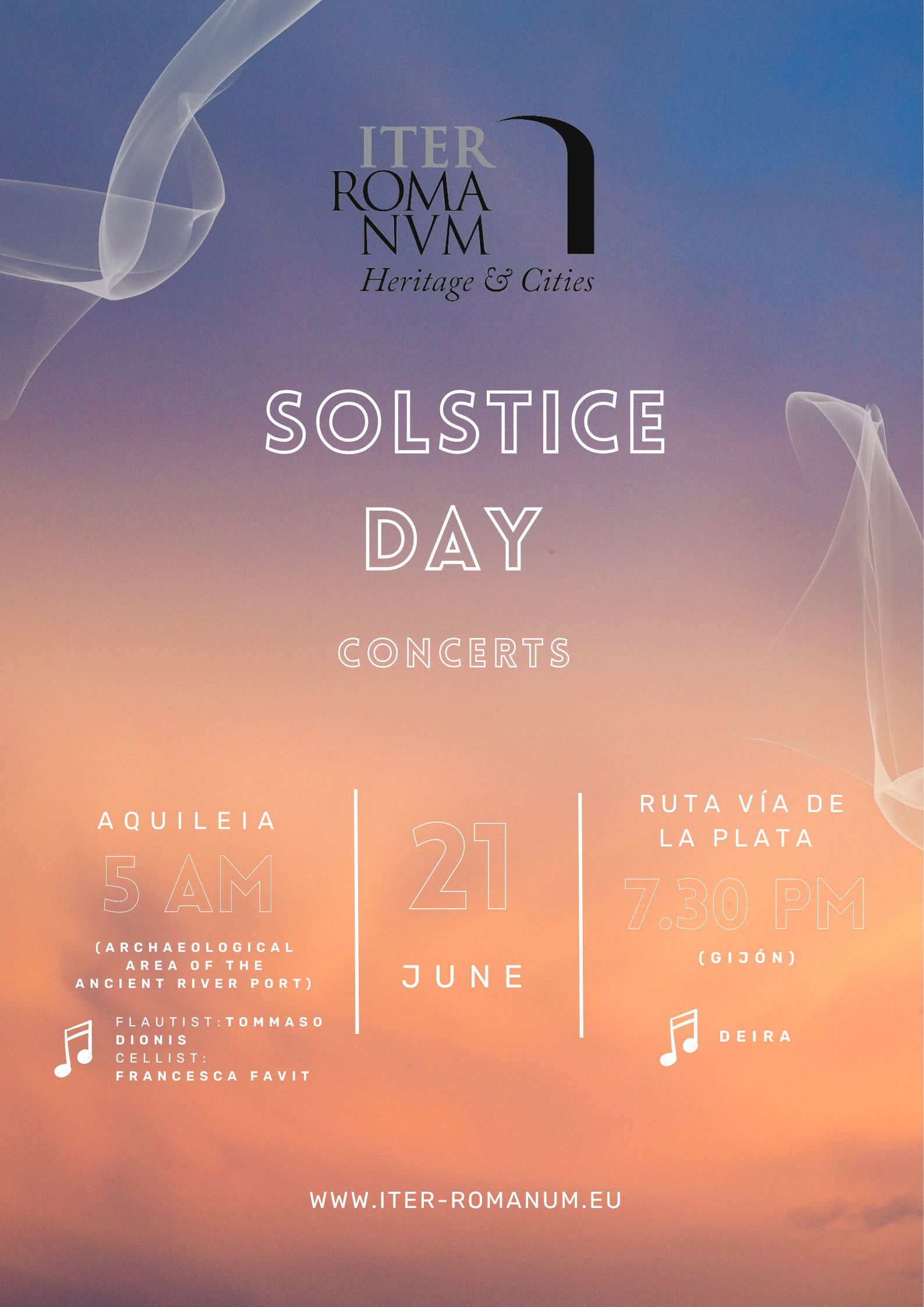
Iter Romanum celebrates the Solstice Day with Music, in Aquileia and Ruta Vía de la Plata. The day starts in Aquileia (Italy), at 5 am. with the flautist Tommaso Dionis and the cello Francesca Favit. You can find the whole information about the concert in this link. Some hours later, in Ruta Vía de la […]